
Move Beyond Survival Mode and Take Back Control
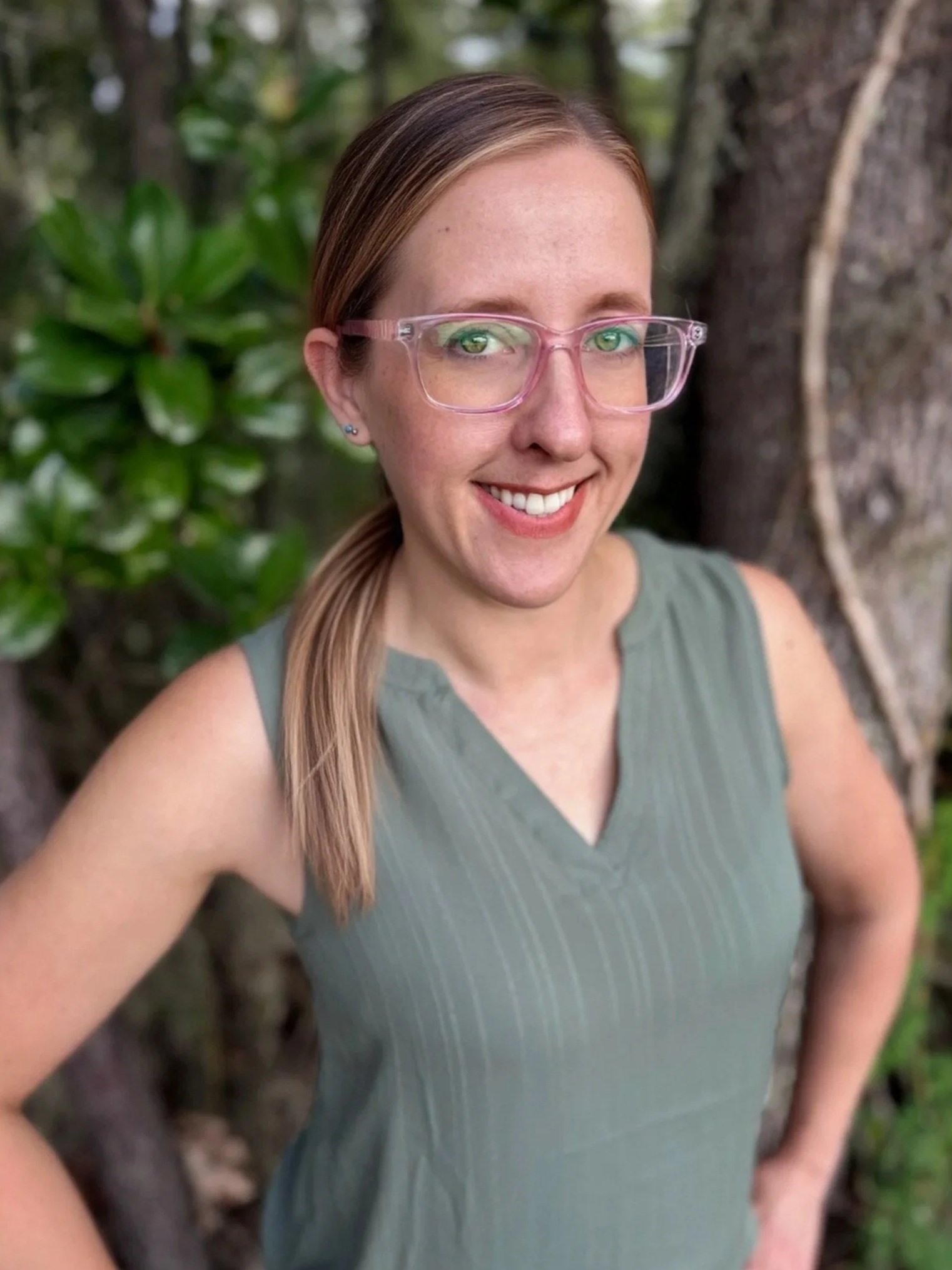
Robin Galloway, LCSW
A lot of the people I work with feel like they’re doing “fine” on the outside, but internally it’s a different story.
They’re exhausted from overthinking, reacting faster than they want to, replaying conversations, or constantly feeling like they need to stay on guard just to get through the day.
If that sounds familiar, you’re not alone. There’s nothing wrong with you for feeling that way.
I’m Robin Galloway, a Licensed Clinical Social Worker and Army Veteran, and I specialize in helping adults work through trauma in a way that actually creates change.
In therapy, I use approaches like EMDR, Cognitive Processing Therapy (CPT), and Prolonged Exposure (PE). But more importantly, I use them in a structured, intentional way so we’re not just talking about what happened, we’re actually helping your nervous system stop reacting like it’s still happening.
The goal isn’t to erase your past. It’s to help your present feel more livable, more steady, and more under your control.
You Might Be Here Because…
Most people don’t wake up one day thinking “I need trauma therapy.”
It usually shows up more like this:
You feel on edge a lot, even when things are objectively okay
You replay conversations or situations long after they’re over
You can handle life, but it takes way more effort than anyone sees
You get overwhelmed, shut down, or reactive faster than you want to
Certain memories, emotions, or situations feel easier to avoid than deal with
You’ve tried pushing through, but it’s starting to wear you down
If you’re reading this and nodding along, that makes sense. This is often what survival mode looks like from the inside.


What’s Actually Going On
When someone’s been through experiences that felt overwhelming, unsafe, or too much to process at the time, the nervous system adapts.
It learns how to stay alert, how to anticipate problems, how to shut things down, how to protect you.
Those responses are incredibly effective in the moment they’re formed… but they don’t always know when it’s safe to stand down later.
So even when life has changed, your body and mind can still react like it hasn’t.
That’s often what people describe as being “stuck,” “always on edge,” or “not like myself anymore.”
Therapy is about helping your system update that response, not by forcing it, but by working with it in a way that actually sticks.
How I Work With People
I tend to be pretty structured in how I do therapy, because most people I work with already feel overwhelmed enough without therapy adding more confusion.
We usually focus on three things:

Figuring out your patterns keeping you stuck.
Not just on the surface…
what’s underneath.

Learning how your past experiences are showing up in your present reactions
(They are… even when it’s not obvious)

Doing the work of changing those patterns using evidence-based approaches that work.
I’m not the kind of therapist who just sits back and nods for 50 minutes. I’m also not going to push you faster than you’re ready for. I work in balance… steady, intentional, and collaborative.
What Sessions Are Like
If you’ve never done trauma-focused therapy before, it can be hard to know what to expect.
Most people are relieved to find out it’s not just “talking about your week.”
In our sessions, you can expect:
We set direction together so things don’t feel aimless
We go at a pace that feels manageable, not overwhelming
We use tools you can actually take with you between sessions
We focus on both understanding and doing, thinking and practicing
We check in on what’s working instead of just pushing through a plan
You’re allowed to not have everything figured out
A lot of the work is about building enough internal steadiness that the harder material doesn’t feel so consuming.

Who I Tend to Work Well With
This type of therapy usually works best for people who are:
Ready to actually engage in the process, not just talk around things
Tired of staying stuck in the same cycles
Open to structure and evidence-based approaches
Willing to look at things that might be uncomfortable, but at a pace that feels safe enough
Looking for change that lasts, not just short-term relief
You don’t have to be “ready” in a perfect way. But there does need to be some willingness to do the work together.
A Little About Me
I’m a Licensed Clinical Social Worker and an Army Veteran.
Before becoming a therapist, I worked in military behavioral health settings where I saw firsthand how people can look completely functional while carrying a lot underneath.
That experience still shapes how I show up in therapy today: direct, grounded, and focused on what actually helps people move forward.
I don’t believe therapy has to be overly complicated or vague. I think it should feel clear enough that you know where you’re going, and supportive enough that you don’t have to get there alone.
If You’re Ready
You don’t have to keep managing everything in survival mode.
And you don’t have to wait until things get worse to decide something needs to change.
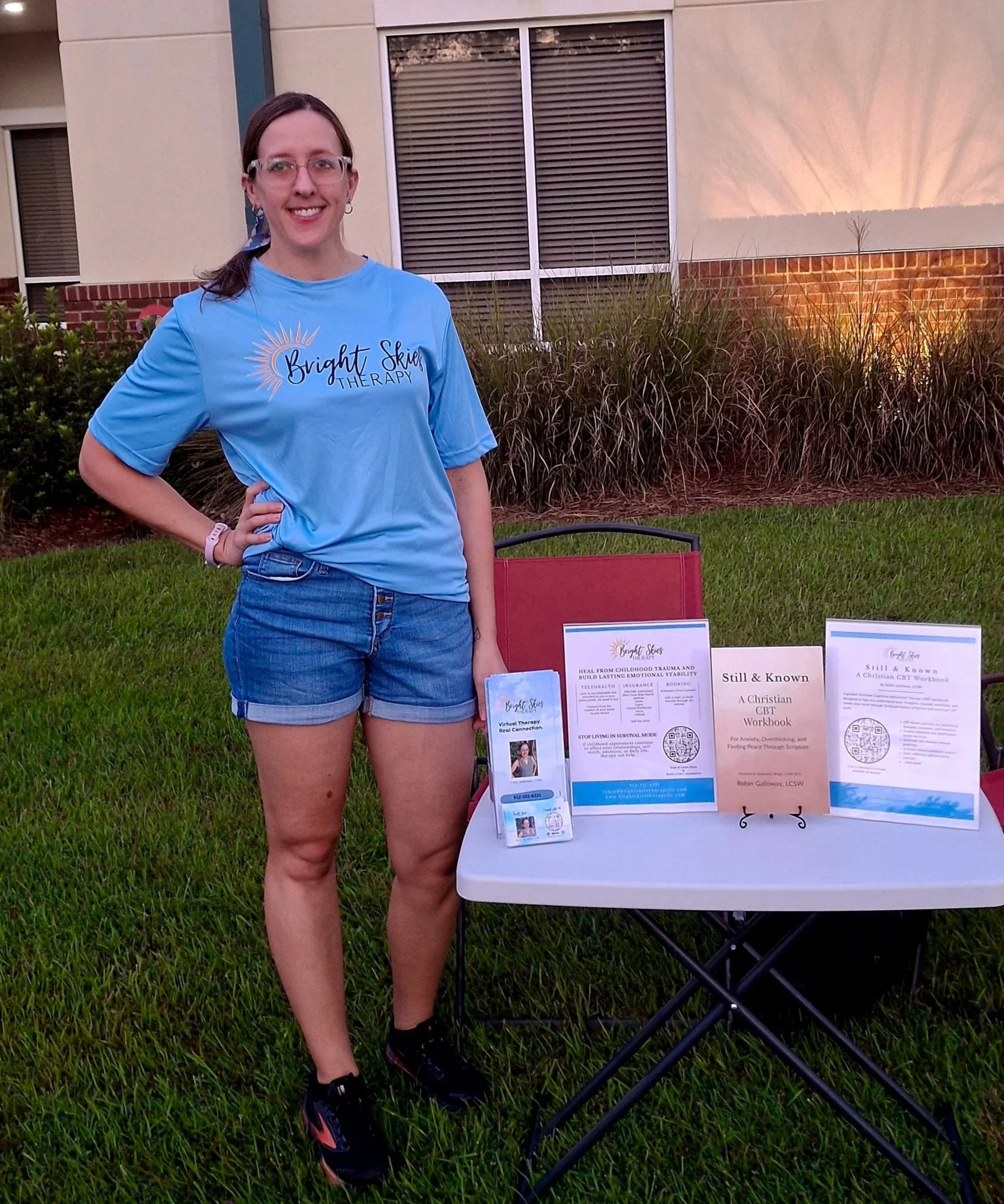
If this resonates with you, you can schedule a free consultation. We’ll talk briefly, see what you’re looking for, and figure out whether working together makes sense.